April 13, 2026
Developing a large-scale project such as a commercial facility, industrial space, or retail property requires strategic planning and the right professional partnership. Selecting a qualified commercial general contractor is one of the most important decisions you will make, as this role directly impacts timelines, budgets, and overall project success. Asking the right questions early in the process helps uncover a contractor’s capabilities, communication style, and approach to commercial construction challenges. According to RentCafe, it's estimated that over 500,000 new housing units were opened across the US in 2025, highlighting the growing demand for experienced professionals in construction overall. With competition increasing, working with a knowledgeable commercial general contractor ensures your project is positioned for efficiency and long-term value.
How Much Experience Do You Have With Commercial Projects?
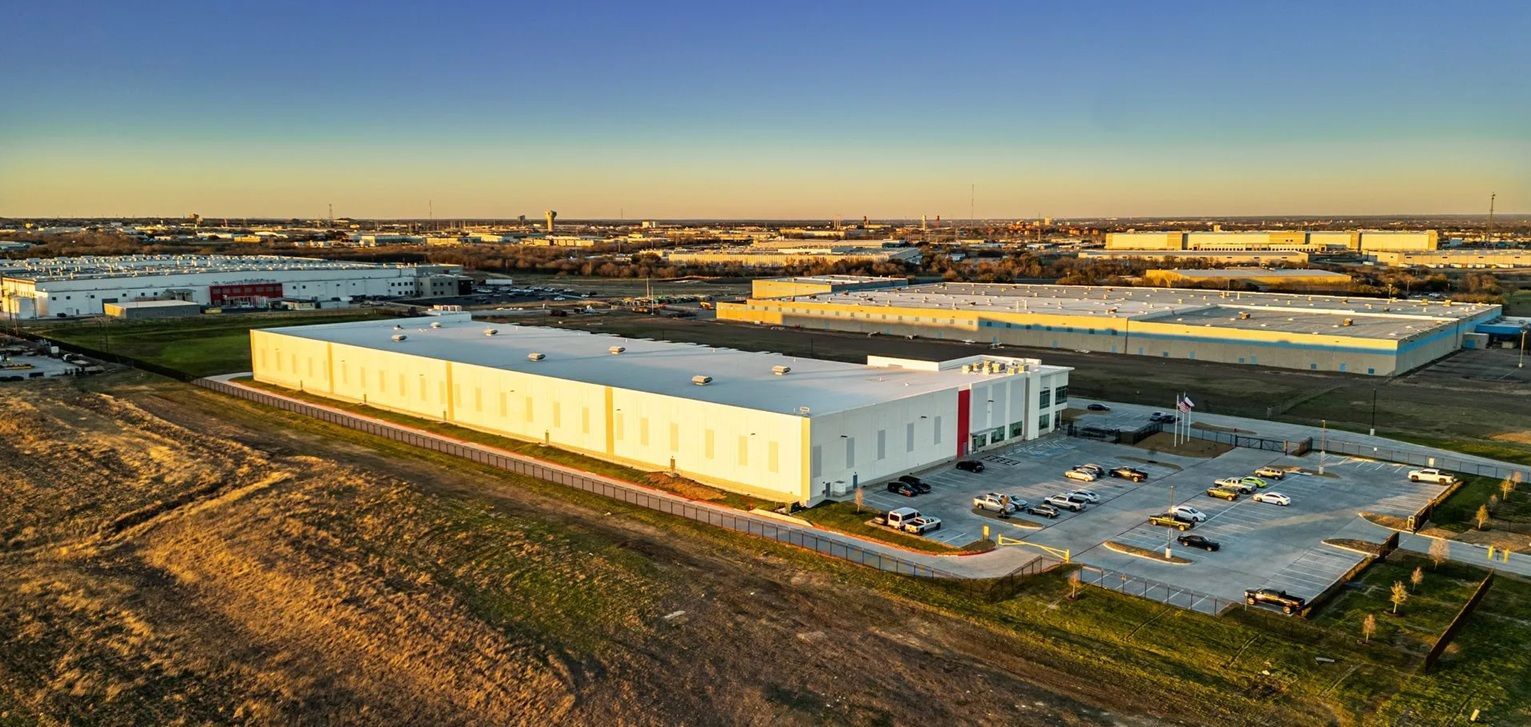
Understanding a contractor’s experience is essential when evaluating their ability to handle your specific development. Not all firms have the expertise required for large-scale builds, making it important to ask about previous projects of similar size and scope. A seasoned commercial general contractor should be able to provide detailed examples, demonstrating their ability to manage logistics, coordinate subcontractors, and navigate challenges effectively. Experience also indicates familiarity with local regulations, permitting processes, and construction standards. Slate Construction Central Texas has worked on a multitude of different buildings, including industrial facilities, warehouses, churches, schools, commercial, aviation, and municipal facilities. By selecting a contractor with proven expertise, you reduce risks and gain confidence in the project’s execution.
What Is Your Approach to Project Planning and Management?
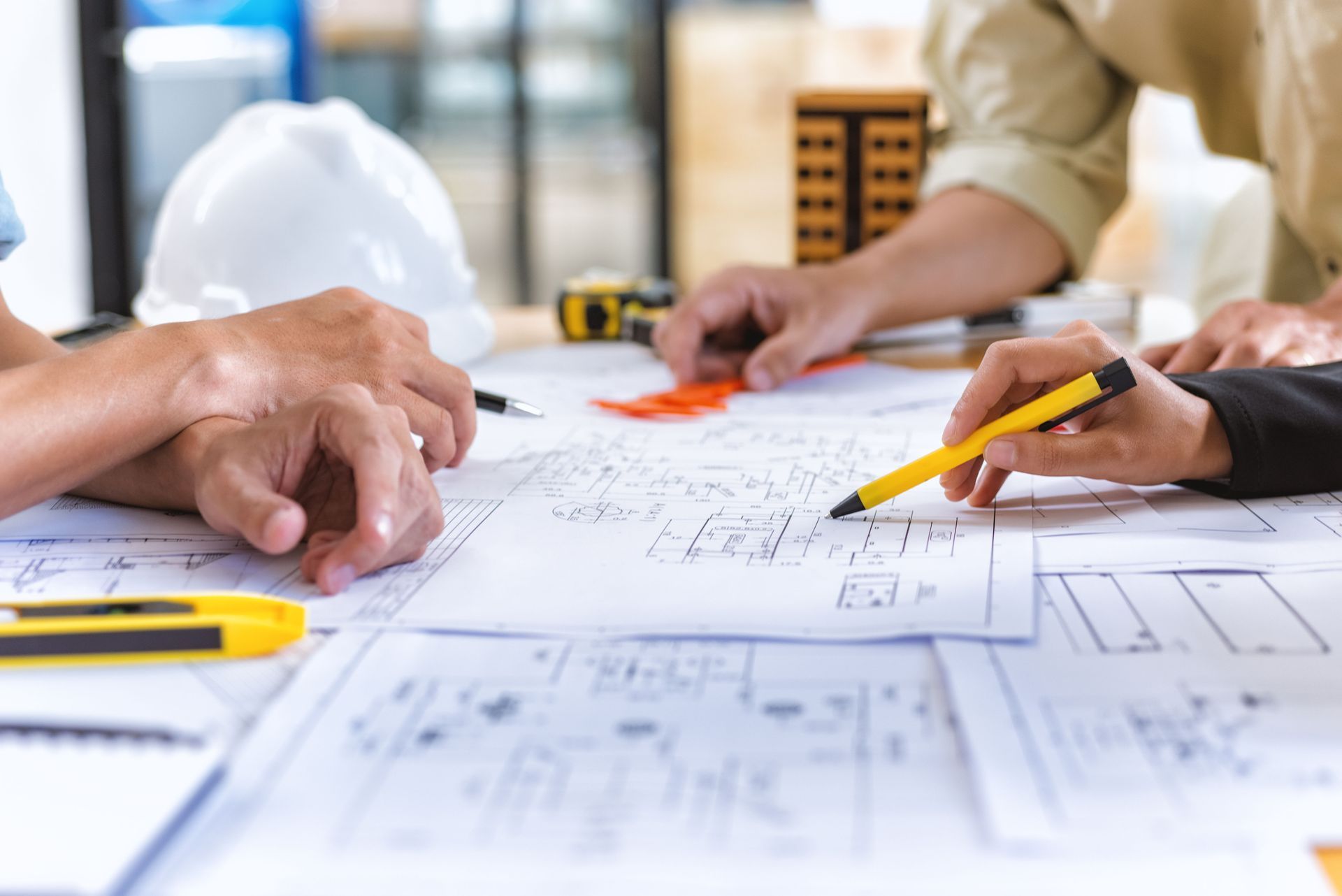
Effective planning and management are critical components of any successful construction project. Asking this question helps you understand how a commercial general contractor organizes timelines, allocates resources, and maintains progress throughout each phase. A well-structured approach includes detailed scheduling, milestone tracking, and proactive problem-solving strategies. Strong project management ensures that all aspects of the build are coordinated efficiently, minimizing delays and cost overruns. Choosing a contractor with a clear and methodical process helps ensure your project stays on track from start to finish.
How Do You Handle Budgeting and Cost Control?
Budget management is one of the most significant concerns in commercial construction projects. A reliable commercial general contractor should provide transparent cost estimates, detailed breakdowns, and strategies for controlling expenses throughout the project lifecycle. This includes identifying potential risks, accounting for contingencies, and maintaining open communication about financial changes. Cost control measures help prevent unexpected overruns and ensure the project remains financially viable. By addressing budgeting practices upfront, you establish a foundation of trust and accountability with your contractor.
What Is Your Process for Managing Subcontractors?
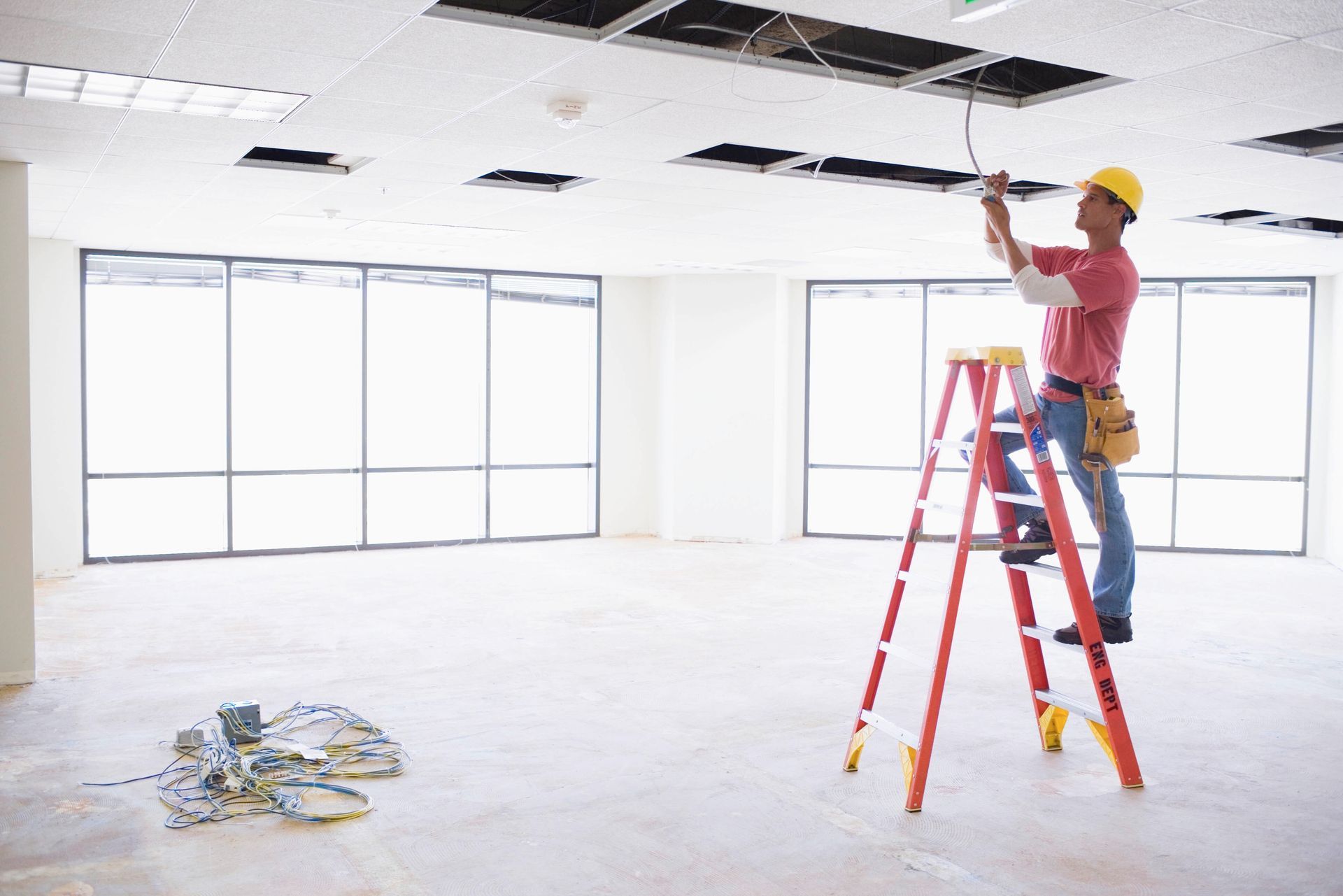
Subcontractor coordination is a vital responsibility of any commercial general contractor. Large projects often involve multiple specialized trades, each contributing to different aspects of the build. Asking about this process reveals how the contractor selects, manages, and communicates with subcontractors to maintain quality and efficiency. Effective oversight ensures that work is completed according to specifications and within the established timeline. A contractor with strong subcontractor management practices helps create a cohesive and well-executed project.
How Do You Ensure Compliance With Regulations and Codes?
Compliance with building codes, zoning laws, and safety regulations is non-negotiable in commercial construction. A qualified commercial general contractor should have a thorough understanding of local, state, and federal requirements, ensuring that all aspects of the project meet legal standards. This includes obtaining permits, scheduling inspections, and adhering to safety protocols throughout construction. Non-compliance can lead to costly delays, fines, or structural issues that impact the project’s long-term viability. Asking this question helps confirm that your contractor prioritizes compliance and operates with professionalism.
What Is Your Communication and Reporting Process?
Clear communication is essential for maintaining alignment between stakeholders throughout the project. A professional commercial general contractor should provide regular updates, progress reports, and open channels for addressing questions or concerns. This includes establishing points of contact, scheduling meetings, and using project management tools to track developments. Transparent communication helps prevent misunderstandings and ensures that all parties remain informed at every stage. By understanding how a contractor communicates, you can set expectations for collaboration and accountability.
How Do You Manage Timelines and Potential Delays?
Timely completion is a key objective for any large construction project, making it important to understand how delays are handled. A skilled commercial general contractor will develop realistic timelines and incorporate contingency plans to address unforeseen challenges such as weather, supply chain disruptions, or labor shortages. Proactive scheduling and risk management strategies help minimize disruptions and keep the project moving forward. Asking this question provides insight into the contractor’s ability to adapt and maintain momentum under changing conditions.
What Quality Control Measures Do You Implement?
Maintaining high standards of quality is essential for ensuring the durability and performance of a completed commercial facility. A reputable commercial general contractor should have established quality control processes that include inspections, testing, and adherence to specifications. These measures help identify potential issues early and ensure that all work meets industry standards. Quality control also reflects a contractor’s commitment to delivering reliable and long-lasting results. By prioritizing quality, you protect your investment and enhance the overall value of the development.
How Do You Address Safety and Risk Management?
Safety is a critical consideration on any construction site, particularly for large-scale developments. A professional commercial general contractor should implement comprehensive safety protocols, provide training for workers, and maintain compliance with occupational safety regulations. Risk management strategies also involve identifying potential hazards and taking preventative measures to reduce incidents. A strong focus on safety not only protects workers but also minimizes project delays and liability concerns. Asking about safety practices ensures that your contractor operates with responsibility and diligence.
What Is Included in Your Contract and Scope of Work?
Understanding the details of the contract and scope of work is essential before committing to a commercial general contractor. This includes outlining responsibilities, deliverables, timelines, and payment structures in a clear and comprehensive manner. A well-defined contract helps prevent misunderstandings and provides a framework for resolving disputes if they arise. Transparency in documentation reflects professionalism and establishes trust between all parties involved. By reviewing these details carefully, you ensure that expectations are aligned from the outset.
How Do You Support Long-Term Maintenance and Performance?
A construction project does not end upon completion, making it important to consider long-term performance and maintenance. A knowledgeable commercial general contractor should provide guidance on building systems, materials, and ongoing care to ensure the property remains functional and efficient. This may include post-construction support and recommendations for future upkeep. Long-term planning helps protect your investment and ensures the development continues to meet operational needs. Asking this question highlights the contractor’s commitment to lasting value.
Building a commercial facility requires careful planning, strategic decision-making, and a trusted professional partner. Asking the right questions helps you evaluate the capabilities, processes, and reliability of a commercial general contractor before committing to a project. Each aspect, from budgeting and scheduling to safety and quality control, plays a crucial role in determining the success of the development. By taking a thorough and informed approach, you can minimize risks and ensure your project is completed to the highest standards.
At Slate Construction Central Texas, we bring extensive experience, proven processes, and a commitment to excellence to every project we undertake. As a trusted commercial general contractor, we've done work with many building types, which include: industrial facilities, warehouses, churches, schools, commercial, aviation, and municipal facilities. We prioritize clear communication, quality craftsmanship, and efficient project management from start to finish. Our team is dedicated to delivering results that meet your vision while staying on time and within budget. Contact Slate Construction Central Texas today to discuss your upcoming project and learn how we can help bring your vision to life with confidence and precision.