May 22, 2026
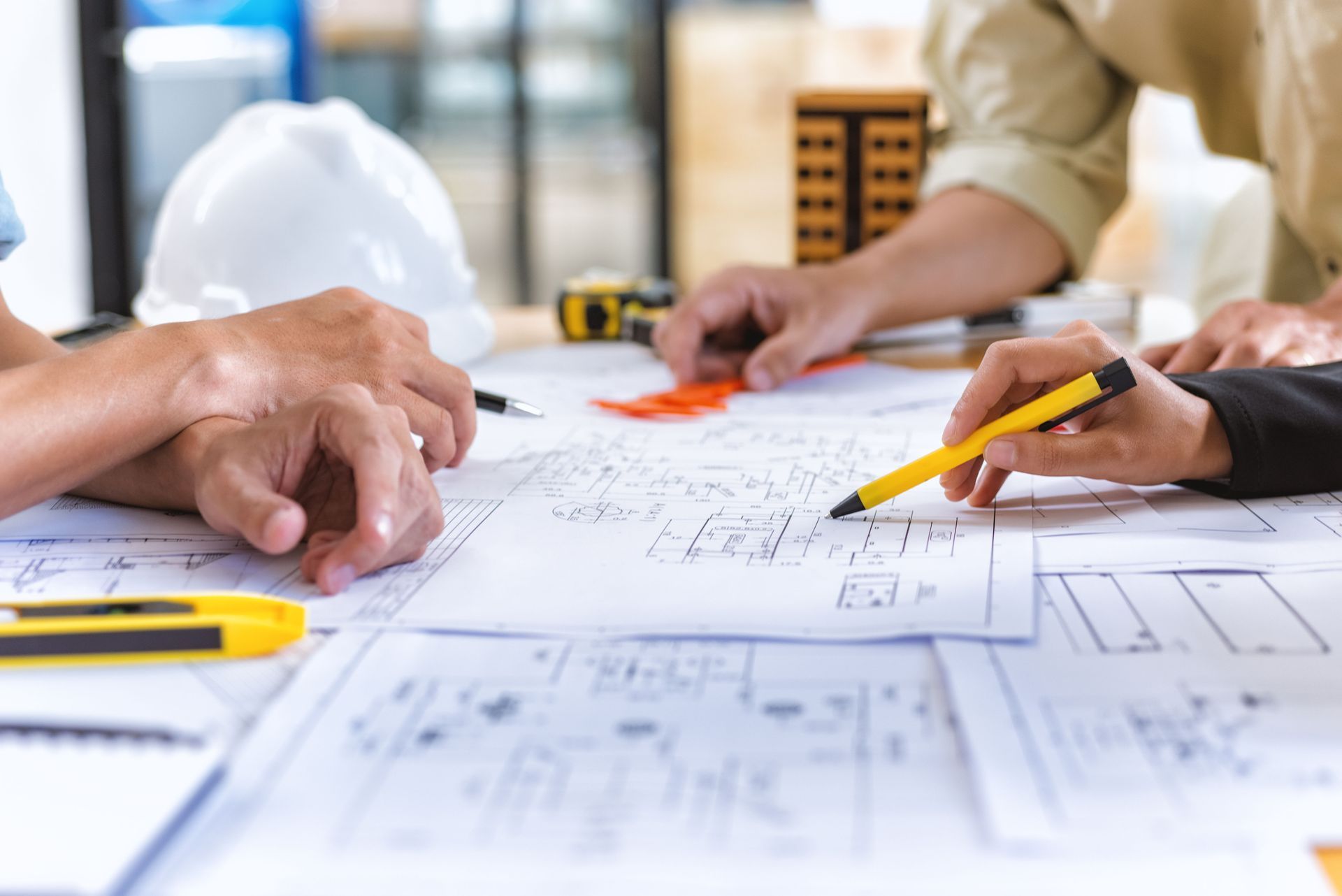
Navigating the complexities of large-scale development requires an acute understanding of both logistical hurdles and engineering precision. Modern enterprises frequently encounter unexpected obstacles that can jeopardize their project timelines and vital financial allocations. Without proper planning and strategic oversight, industrial construction solutions can become remarkably difficult to implement effectively on the ground. Every specialized facility design demands a unique approach that accounts for machinery, strict environmental regulations, and future scalability requirements.
Project managers must balance the immediate demands of site preparation with the long-term operational goals of the entire organization. A failure to synchronize these moving parts often leads to delays and compounding, unnecessary resource expenditures. Consequently, progressive organizations must seek established methodologies that integrate design, procurement, and field execution seamlessly from day one. Embracing such a comprehensive framework allows businesses to overcome systemic inefficiencies and deliver superior, high-performing operational facilities.
Overcoming Supply Chain Disruptions
Material shortages and unexpected shipping delays present a significant threat to modern building schedules across the nation. Procurement teams often struggle to secure high-quality steel, concrete, and components in a volatile global market. To mitigate these procurement risks, developers are turning to advanced industrial construction solutions that emphasize predictive logistics. Establishing direct relationships with local manufacturers helps insulate a project from international freight bottlenecks and sudden tariff fluctuations.
Additionally, utilizing real-time digital inventory tracking systems provides project managers with early warnings regarding potential material deficits. This proactive operational transparency allows field teams to alter scheduling sequences before a minor delay escalates into a complete work stoppage. Pre-ordering critical path materials well in advance also effectively secures crucial pricing stability in an otherwise highly inflationary economic environment. By fortifying the supply network, builders ensure that labor forces remain productive and milestones are achieved.
Navigating Regulatory Compliance Hurdles
Meeting stringent environmental guidelines and regional zoning laws requires meticulous documentation and continuous oversight throughout the build. Industrial facilities face intense scrutiny regarding waste management, emissions control, and ecological impacts during development. Implementing robust industrial construction solutions remains the most effective method for satisfying these complex legal frameworks without sacrificing overall operational efficiency.
Experienced environmental engineers should be integrated into the design phase to identify potential compliance issues before blueprints are finalized. Obtaining permits early prevents costly legal interventions that can halt operations and attract public attention to the project. Furthermore, sustainable building practices like stormwater management and energy-efficient lighting are mandated by local authorities. Adhering strictly to these protocols guards against regulatory fines and establishes the corporation as a responsible community partner. Ultimately, a proactive stance transforms a potential bureaucratic obstacle into a structured pathway for long-term project validation.
Managing Complex Budget Overruns
Financial volatility remains a primary concern for corporate stakeholders investing substantial capital into massive, multi-million dollar infrastructure developments. Unforeseen site conditions, design alterations, and fluctuating labor costs can quickly exhaust even generous contingency reserves. Deploying transparent industrial construction solutions helps financial officers maintain strict control over every line-item expenditure from conception to completion. Detailed cost-estimation software utilizes comprehensive historical data to project accurate material expenses and specialized labor requirements with high fidelity.
Regular financial audits conducted throughout the building cycle ensure that variance from the original budget is detected immediately. Value engineering also plays a vital role by identifying alternative materials or methods that reduce costs without compromising structural integrity. Open communication between the contractor and the client prevents hidden fees from destabilizing the financial partnership. Strict fiscal discipline ensures the completed asset delivers immediate value without burdening the enterprise with unexpected debt.
Integrating Advanced Technological Systems
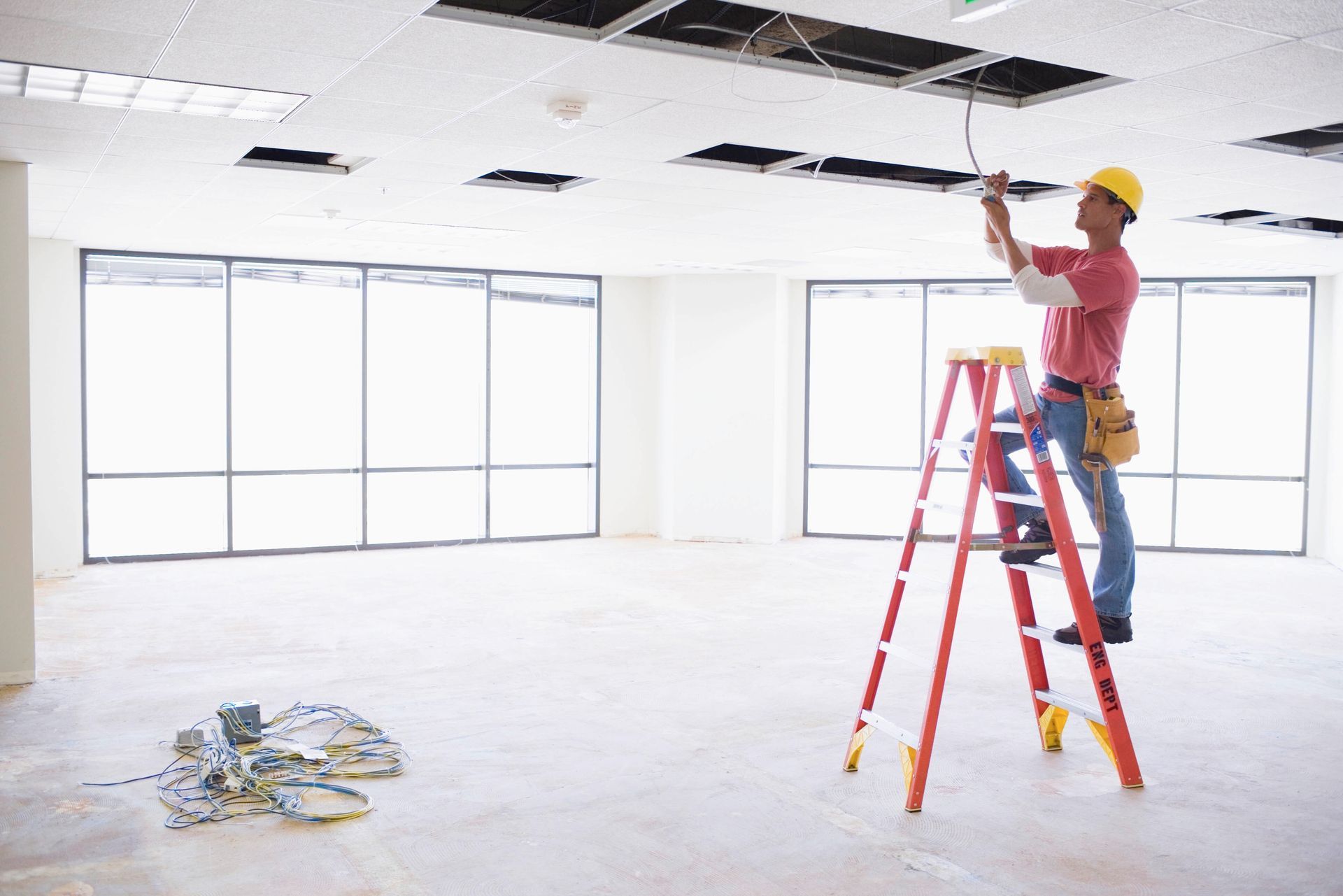
The rapid evolution of digital automation and monitoring requires modern industrial facilities to possess highly sophisticated technical infrastructures. Retrofitting traditional, legacy structures to accommodate advanced robotics and massive data centers often introduces severe, costly architectural complications. Utilizing forward-thinking, adaptive industrial construction solutions allows progressive developers to embed state-of-the-art technological systems directly into the foundational architecture. Building Information Modeling allows engineers to create comprehensive digital twins that accurately simulate operational performance before physical installation.
This advanced digital visualization minimizes spatial conflicts between core structural elements and complex electrical, mechanical, and heavy plumbing networks. Smart electronic sensors can also be permanently integrated into concrete foundations to monitor structural health and stress levels over time. Preparing the physical footprint for high-speed fiber connectivity and automated logistics ensures long-term viability in an increasingly competitive market. Technological integration ultimately transforms a simple physical warehouse into an intelligent, highly responsive, and immensely valuable corporate asset.
Optimizing Labor Force Efficiency
The ongoing, acute shortage of skilled trade professionals presents a formidable, industry-wide obstacle to executing large-scale infrastructure operations. A severe lack of qualified industrial electricians, certified welders, and heavy machinery operators can drastically slow progress and diminish overall construction quality. To counteract this talent deficit, modern industrial construction solutions leverage sophisticated off-site prefabrication and modular assembly techniques. Manufacturing large components within a highly controlled factory setting reduces the total number of specialized personnel required on-site during assembly.
This streamlined approach not only optimizes labor productivity but also significantly improves safety conditions for the remaining field workforce. Cross-training employees across multiple distinct disciplines creates a highly flexible labor pool capable of adapting swiftly to shifting project demands. Investing in comprehensive safety training programs further minimizes costly downtime caused by preventable on-site accidents and operational injuries. Maximizing the overall efficiency of available human capital keeps complex projects moving forward despite broader macroeconomic labor shortages.
Ensuring Structural Quality Control
Maintaining exceptional craftsmanship across expansive facility footprints requires rigorous quality assurance protocols and continuous physical field inspections. Minor structural defects or material sub-standardization can easily lead to catastrophic operational failures once a facility becomes fully active and populated. The disciplined deployment of comprehensive industrial construction solutions guarantees that every single phase of assembly adheres to elite industry standards. Independent, accredited testing laboratories should be consistently utilized to verify the compressive strength of concrete and the integrity of structural welds.
Digital documentation platforms allow field inspectors to log quality reports and photograph anomalies in real time for immediate engineering remediation. Establishing a strict, zero-tolerance policy for substandard work instills a powerful culture of personal accountability among all subcontractors on-site. Regular peer reviews of critical engineering calculations provide an extra, vital layer of defense against design flaws and material miscalculations. Superior, uncompromising quality control protects the owner's capital investment and guarantees the absolute long-term safety of all facility occupants.
Analyzing Market Expansion Trends
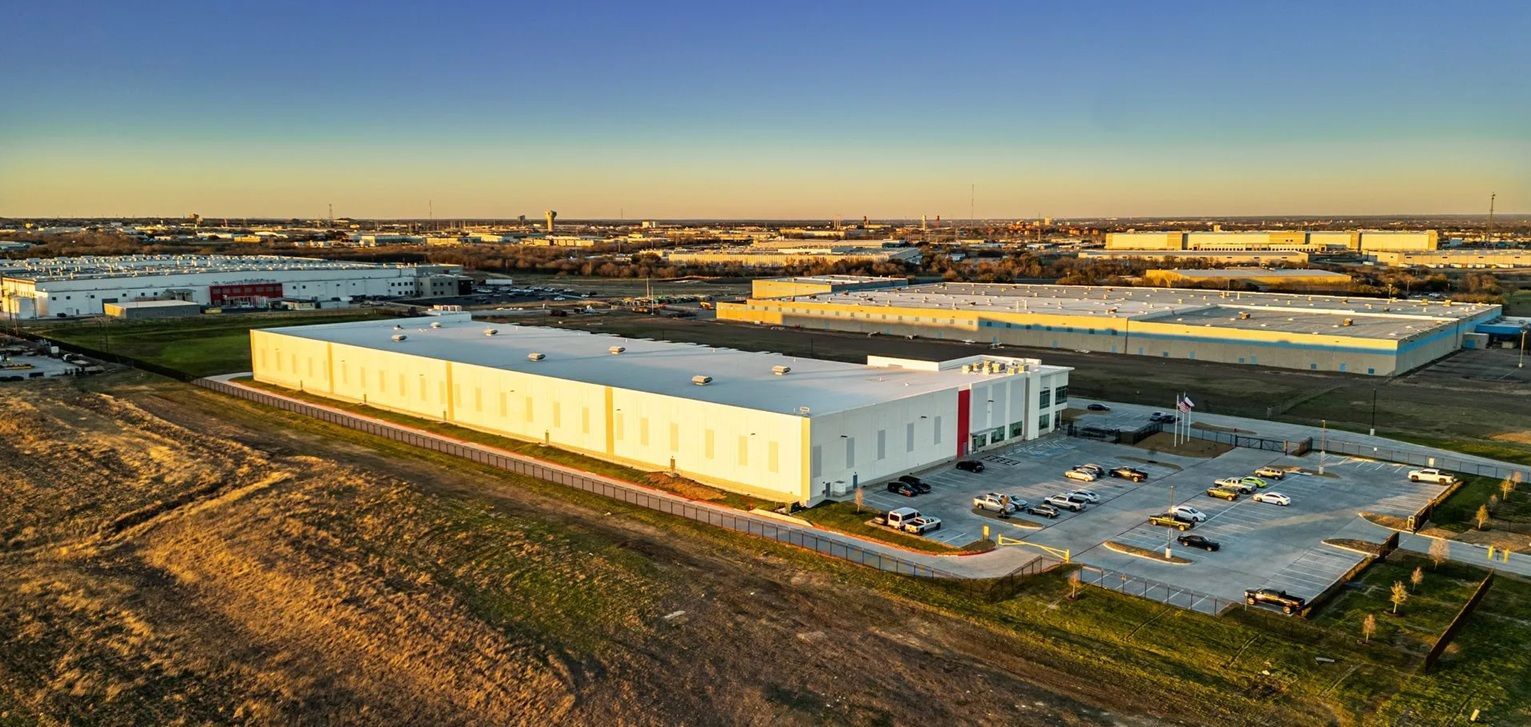
Understanding the broader macroeconomic landscape is absolutely crucial for modern corporations planning substantial capital investments in new physical facilities. The national demand for modern logistical distribution centers and advanced processing plants continues to grow despite shifting global financial indicators. According to IBISWorld, the commercial building sector within the United States currently supports more than 67,786 active businesses operating throughout the industry. This immense and highly competitive marketplace highlights the growing need for carefully planned expansion strategies that support long-term operational efficiency.
Successfully executing a massive, modern infrastructural development project requires overcoming an extensive array of logistical, financial, and regulatory hurdles. From securing fragile global supply chains to integrating cutting-edge automated robotic systems, each phase demands specialized expertise and flawless execution. Slate Construction Central Texas stands fully ready to guide your enterprise expertly through every phase of your next major development project. Our highly experienced professional team delivers tailored strategies that optimize budgets, accelerate timelines, and guarantee exceptional structural integrity from foundation to finish. Contact our office today to discover exactly how our specialists can bring unparalleled precision and efficiency to your upcoming commercial endeavor.